
Keto Breakfast

Differences between Keto and Paleo

The Keto and Paleo diets are two popular approaches to eating that focus on whole, unprocessed foods and offer health benefits such as weight loss, improved energy, and better blood sugar control.  Despite some similarities, these diets have distinct principles and guidelines. Understanding their differences can help individuals choose the right approach to suit their health goals and lifestyle. What is the Keto Diet? The ketogenic (keto) diet is a high-fat, low-carbohydrate, moderate-protein eating plan designed to put the body into a state of ketosis.  Ketosis is a metabolic state in which the body burns fat for energy instead of carbohydrates. When carb intake is drastically reduced (typically to 20-50 grams per day), the liver converts fat into ketones, which then become the body’s primary fuel source. Key Features of the Keto Diet: Macronutrient Breakdown: Roughly 70-80% of calories come from fats, 20-25% from protein, and 5-10% from carbohydrates. Focus on Ketosis: The goal is to shift the body into ketosis, where it burns fat instead of carbs for energy. Carbohydrate Restrictions: The keto diet drastically limits carb intake, which includes grains, legumes, starchy vegetables, and most fruits. High Fat Consumption: The diet emphasizes healthy fats such as avocados, olive oil, coconut oil, and fatty cuts of meat. What is the Paleo Diet? The paleo diet, also known as the “caveman” diet, is based on the idea of eating like our prehistoric ancestors. It focuses on whole, unprocessed foods that would have been available to hunter-gatherers, such as lean meats, fish, fruits, vegetables, nuts, and seeds.  The paleo diet encourages the consumption of nutrient-dense foods while eliminating processed and refined foods, grains, dairy, legumes, and refined sugars. Key Features of the Paleo Diet: Food Sources: The paleo diet includes meat, fish, fruits, vegetables, nuts, and seeds—foods that would have been hunted, gathered, or foraged in ancient times. Excludes Grains, Dairy, and Legumes: The diet avoids grains (such as wheat, rice, and oats), dairy products (milk, cheese, etc.), and legumes (beans, lentils, and peanuts). Focus on Whole, Unprocessed Foods: Paleo encourages consuming minimally processed, whole foods that are rich in vitamins, minerals, and other essential nutrients. Key Differences Between Keto and Paleo 1. Macronutrient Composition One of the most significant differences between keto and paleo is their macronutrient ratios. Keto Diet: The keto diet is a high-fat, low-carb, and moderate-protein approach. The main goal is to get the body into ketosis, which is achieved by consuming a very small amount of carbohydrates, a moderate amount of protein, and a high amount of fats. Paleo Diet: The paleo diet does not have strict macronutrient requirements. While it is naturally higher in protein due to the focus on lean meats and fish, the carb intake tends to be higher compared to the keto diet. Paleo includes vegetables, fruits, and some starchy foods (like sweet potatoes), which provide carbohydrates. 2. Carbohydrate Intake Keto Diet: Carb intake is very limited on the keto diet. The goal is to reduce carbs to a level that forces the body to enter ketosis. This typically means consuming less than 50 grams of net carbs per day. This restriction eliminates most fruits, grains, legumes, and starchy vegetables. Paleo Diet: The paleo diet is less restrictive about carbs. It includes vegetables, fruits, and some starchy foods like sweet potatoes and squash, which provide carbohydrates. While paleo limits processed sugars and grains, it doesn’t impose a strict limit on total carb intake. 3. Emphasis on Fats vs. Protein Keto Diet: The keto diet is particularly focused on consuming high amounts of healthy fats (such as coconut oil, avocados, and fatty meats) to support ketosis. Protein intake is moderate, and excess protein can actually prevent the body from entering ketosis, as it can be converted into glucose. Paleo Diet: While paleo encourages healthy fats (like those found in nuts, seeds, and avocados), it places a stronger emphasis on lean proteins from animal sources, such as meat, fish, and poultry. The diet encourages balanced meals but does not emphasize high fat consumption to the same degree as keto. 4. Dairy and Legumes Keto Diet: The keto diet does allow full-fat dairy products (like cheese, butter, and cream) as they are high in fat and low in carbs, fitting well within the macronutrient profile. However, dairy is not a mandatory component of the diet and can be limited based on personal preference or sensitivity. Paleo Diet: Dairy products are strictly avoided on the paleo diet, as they were not part of the human diet during the Paleolithic era. This includes milk, cheese, yogurt, and butter. For those seeking a similar nutrient profile, paleo encourages non-dairy alternatives like coconut milk or almond milk. Legumes: The paleo diet also eliminates legumes (such as beans, lentils, and peanuts), as they were not consumed by early humans. Legumes contain lectins and phytates, which some proponents of the paleo diet believe can be harmful to digestion and nutrient absorption. Keto Diet: The keto diet allows some legumes in small amounts, but they are often limited due to their carbohydrate content. For those strictly following the diet, legumes are usually avoided or consumed sparingly. 5. Goal and Approach Keto Diet: The primary goal of the keto diet is to induce a metabolic state called ketosis, where the body burns fat instead of carbohydrates for energy. This diet is particularly popular for weight loss, improving mental clarity, and controlling blood sugar levels. It requires strict macronutrient tracking to maintain ketosis. Paleo Diet: The goal of the paleo diet is to emulate the eating habits of ancient humans, focusing on nutrient-dense, whole foods that are minimally processed. The paleo diet is more focused on general health, improving digestion, reducing inflammation, and avoiding modern processed foods. Unlike keto, the paleo diet does not have the goal of inducing ketosis. Which Diet is Right for You? Both the keto and paleo diets have their own unique benefits and appeal to different individuals depending on their health goals and preferences. Here’s a quick comparison

Differences between Keto and Paleo Read More »

keto-foods

How to Start the Keto Diet Easily

The ketogenic (keto) diet has gained significant popularity due to its potential benefits, including weight loss, improved energy levels, and enhanced mental clarity.  It is a low-carb, high-fat diet that encourages the body to burn fat for fuel instead of carbohydrates, a state known as ketosis.  If you’re considering starting the keto diet, it’s important to understand its principles and take the right steps to ensure success. Here’s a comprehensive guide to help you begin your keto journey. 1. Understand the Basics of the Keto Diet Before diving into the keto diet, it’s essential to understand its fundamental principles: Low-Carb, High-Fat: The keto diet typically consists of about 70-75% of daily calories from fats, 20-25% from protein, and only 5-10% from carbohydrates. Ketosis: The goal is to enter ketosis, where your body burns fat for energy instead of carbs. This occurs when you significantly reduce your carbohydrate intake, forcing your liver to produce ketones from fat for fuel. Foods to Avoid: Foods high in carbohydrates, such as bread, pasta, rice, grains, starchy vegetables, most fruits, and sugary snacks, should be eliminated from your diet. 2. Calculate Your Macronutrient Needs To succeed on the keto diet, it’s important to track your macronutrient intake (fat, protein, and carbohydrates). This helps you stay within the right balance of macronutrients to achieve and maintain ketosis. Fat Intake: Approximately 70-75% of your daily calories should come from fat. Focus on healthy fats, such as avocados, olive oil, coconut oil, nuts, and fatty cuts of meat. Protein Intake: Protein should make up about 20-25% of your daily calories. Opt for moderate amounts of high-quality protein sources, like grass-fed beef, chicken, fish, eggs, and tofu. Carbohydrate Intake: Carbs should account for only 5-10% of your daily intake, which typically translates to 20-50 grams of net carbs per day. Net carbs are the total carbohydrates minus fiber and certain sugar alcohols, which don’t significantly impact blood sugar. You can use online calculators or mobile apps to help track your macronutrients and ensure you’re staying on track. 3. Plan Your Meals Meal planning is a crucial step when starting the keto diet. Since you’ll be eliminating many common foods (like bread, pasta, and sugar), planning your meals in advance ensures that you always have keto-friendly options available. Keto-Friendly Foods: Focus on eating non-starchy vegetables (like leafy greens, zucchini, and broccoli), healthy fats (avocados, olive oil, butter), and protein sources (grass-fed meat, poultry, fish, and eggs). Snacks: For snacks, opt for keto-friendly options like cheese, nuts, olives, or boiled eggs. Avoid chips, candy, and other high-carb snacks. Hydration: The keto diet can have a diuretic effect, meaning you may lose water and electrolytes more quickly. Ensure you’re drinking plenty of water and consider supplementing with electrolytes (sodium, potassium, magnesium) to prevent imbalances. 4. Clear Your Pantry It can be tempting to cheat on the keto diet if you have high-carb foods readily available. To set yourself up for success, clear your kitchen of all sugary and starchy foods.  Remove processed snacks, pasta, rice, cereal, bread, and sugary drinks, and replace them with keto-friendly foods. Stock your pantry with keto essentials like: Healthy oils (coconut oil, avocado oil, olive oil) Full-fat dairy (cheese, butter, heavy cream) Low-carb vegetables (leafy greens, cauliflower, zucchini) Protein sources (meat, fish, eggs) Nuts and seeds (almonds, chia seeds, flaxseeds) Having your kitchen stocked with the right foods will make it easier to stay on track. 5. Start Slow and Adjust Gradually If you’ve been consuming a high-carb diet, the transition to keto can be a big change for your body.  Some people experience a temporary set of symptoms, often referred to as the “keto flu,” as the body adjusts to burning fat instead of carbs. Symptoms may include fatigue, headaches, dizziness, irritability, and muscle cramps. These symptoms usually subside after a few days to a week. To make the transition smoother, consider easing into the keto diet. Gradually reduce your carb intake over the course of a few days or weeks instead of cutting them all at once. This helps your body adjust to the lower carbohydrate intake without causing major disruptions to your energy levels. 6. Focus on Nutrient-Dense, Whole Foods The keto diet is about more than just low-carb eating; it’s about fueling your body with nutrient-dense, whole foods. While it’s easy to rely on processed keto snacks (like low-carb protein bars or keto-friendly packaged foods), it’s best to prioritize fresh, unprocessed foods as much as possible. Eat a variety of vegetables, including dark leafy greens, cruciferous vegetables (like broccoli and cauliflower), and other low-carb vegetables (zucchini, bell peppers, cucumbers).  Include healthy fats like avocado, nuts, seeds, and fatty fish such as salmon, and consume high-quality meats such as grass-fed beef and free-range chicken. 7. Monitor Your Ketosis To ensure you’re in ketosis, consider monitoring your ketone levels. There are several methods to check whether your body is in ketosis: Urine Test Strips: These are an affordable and easy way to measure the presence of ketones in your urine. While they are convenient, they may not always be as accurate once your body becomes fully adapted to ketosis. Blood Ketone Meters: These devices measure the level of ketones in your blood and are considered the most accurate way to monitor ketosis. A blood ketone level of 0.5 mmol/L or higher indicates a state of ketosis. Breath Ketone Meters: These devices measure the acetone in your breath, which is a byproduct of ketosis. While not as precise as blood testing, they offer a non-invasive way to monitor your state. 8. Stay Consistent and Be Patient Transitioning to the keto diet takes time. It can be challenging at first as your body adjusts to burning fat instead of carbohydrates, but persistence is key.  Stay consistent with your macronutrient ratios, avoid high-carb foods, and focus on whole, nutrient-dense options. As you adapt to the diet, you may notice benefits like weight loss, improved energy levels, and mental clarity. Don’t be discouraged if you don’t see results

How to Start the Keto Diet Easily Read More »

Keto Food Platter

Easiest Ways to Get into Ketosis

  Ketosis is a metabolic state where your body shifts from using carbohydrates as its primary energy source to using fat.  This happens when carbohydrate intake is significantly reduced, and the body begins to break down fat into ketones, which it then uses for energy.  The ketogenic (keto) diet is designed to help you achieve this state and reap its benefits, such as weight loss, improved energy, and better mental clarity. If you’re wondering how to get into ketosis, you’re in the right place. Here’s a comprehensive guide on how to achieve ketosis and maintain it effectively. 1. Understand What Ketosis Is Before diving into how to get into ketosis, it’s important to understand the process. Ketosis occurs when your body no longer has enough carbohydrates for energy.  Normally, your body uses glucose (from carbs) as its main fuel source. When carbs are restricted, the liver starts converting fat into ketones (acetone, acetoacetate, and beta-hydroxybutyrate), which the body then uses for energy. This process is the foundation of the ketogenic diet, which focuses on a high-fat, low-carbohydrate intake. 2. Limit Your Carbohydrate Intake To enter ketosis, you must reduce your carbohydrate intake drastically. On a typical ketogenic diet, carbs should account for only about 5-10% of your total daily calories, which usually translates to around 20-50 grams of net carbs per day.  Net carbs are calculated by subtracting fiber and certain sugar alcohols from the total carbohydrates in a food. Foods to avoid: Bread, pasta, and grains (wheat, rice, oats) Starchy vegetables (potatoes, corn, peas) Most fruits (bananas, apples, grapes) Sugary snacks, desserts, and drinks Instead, focus on low-carb vegetables like spinach, kale, and broccoli, and other non-starchy vegetables like cucumbers, zucchini, and bell peppers. 3. Increase Your Fat Intake Once you reduce your carb intake, your body needs an alternative fuel source. This is where fat comes in.  On a ketogenic diet, approximately 70-75% of your total daily calories should come from healthy fats. The fat helps fuel your body while you’re in ketosis. Good sources of healthy fats include: Avocados Coconut oil Olive oil Butter or ghee Fatty cuts of meat (like beef, lamb, or pork) Fatty fish (salmon, sardines, mackerel) Nuts and seeds Incorporating plenty of healthy fats into your meals ensures your body has enough fuel to transition into ketosis. 4. Moderate Your Protein Intake While protein is an essential part of the keto diet, too much protein can interfere with ketosis. When protein intake is excessive, the body may convert some of it into glucose in a process called gluconeogenesis, which can prevent you from entering ketosis. For most people, protein should account for around 20-25% of daily calories. Focus on consuming moderate amounts of protein from sources like grass-fed beef, chicken, fish, eggs, and tofu. This balance ensures that you’re getting enough protein without overloading your body. 5. Increase Your Activity Levels Exercise can help accelerate the process of entering ketosis. Physical activity, especially aerobic exercise (like walking, cycling, or swimming), uses up your body’s stored glycogen (the energy stored from carbohydrates), which can help push your body into ketosis more quickly. Strength training can also help deplete glycogen stores and increase the production of ketones in your body. High-intensity interval training (HIIT) is another effective way to deplete glycogen stores, allowing the body to transition into ketosis faster. Exercise can also improve the efficiency of fat burning, which is beneficial once you are in ketosis. 6. Drink Plenty of Water When you drastically reduce your carbohydrate intake, your body expels more water. This can lead to dehydration, which is why drinking plenty of water is essential when you’re transitioning into ketosis. Staying hydrated helps manage potential side effects, such as headaches, cramps, and fatigue. Additionally, drinking water aids in the removal of waste products from your body. As you break down fat, you release ketones into your system, which your kidneys must process and eliminate. 7. Consider Supplementing with Electrolytes As you transition into ketosis, you may experience a drop in electrolytes such as sodium, potassium, and magnesium.  This is because your body tends to excrete more water and electrolytes during the initial stages of the keto diet. Low electrolytes can lead to symptoms like muscle cramps, headaches, fatigue, and dizziness—commonly referred to as the “keto flu.” To counteract this, you can supplement with: Sodium: Adding extra salt to your food or drinking bone broth can help maintain sodium levels. Potassium: Foods like avocado, leafy greens, and salmon are great sources of potassium. Magnesium: You can find magnesium in foods like almonds, spinach, and pumpkin seeds, or consider a magnesium supplement. Maintaining a balance of electrolytes helps ease the transition into ketosis and prevents common side effects. 8. Monitor Your Ketone Levels Once you start making changes to your diet, it’s helpful to monitor whether you’ve entered ketosis. There are several ways to track your ketone levels: Urine strips: These are an easy and affordable way to check if you’re in ketosis. However, they can be less accurate over time as your body becomes more adapted to burning fat. Blood ketone meters: These devices measure the level of ketones in your blood and are considered the most accurate method to test ketosis. A level of 0.5 mmol/L or higher is considered the minimum for ketosis. Breath meters: These devices measure acetone, a type of ketone that is exhaled. While not as accurate as blood meters, they provide a non-invasive way to monitor your ketosis state. Monitoring your ketone levels can help you understand how your body is responding to the diet and whether you’re achieving the desired state of ketosis. 9. Be Patient and Consistent Getting into ketosis can take time, and the process can vary from person to person. It may take anywhere from 2-7 days to enter ketosis, depending on factors like your carbohydrate intake, exercise routine, and metabolism.  During the transition, you may experience symptoms like fatigue, irritability, or hunger, which are common when the body is adapting to

Easiest Ways to Get into Ketosis Read More »

Keto Banner

Top 10 Keto Foods to Help You Reach Ketosis

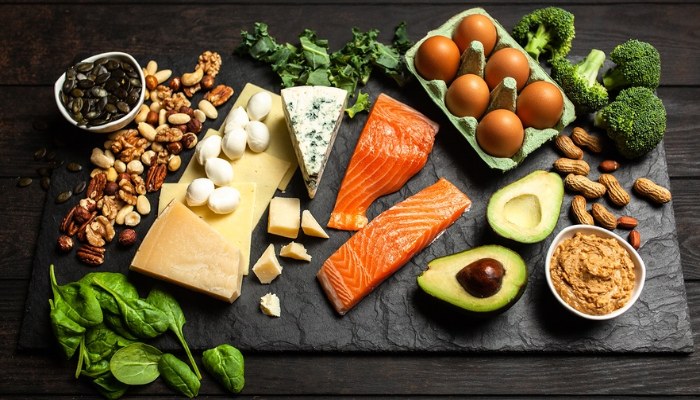
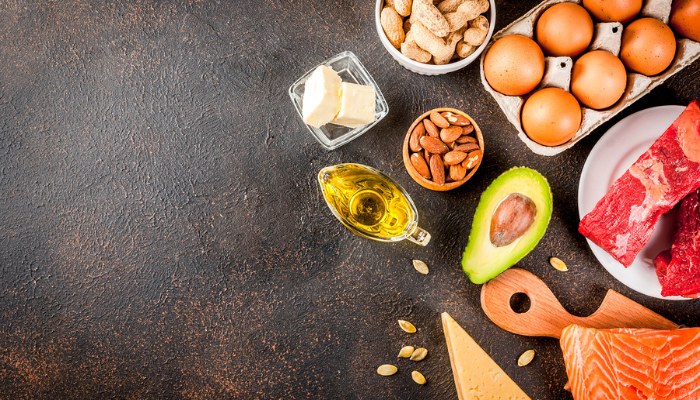
Achieving ketosis, a metabolic state where your body burns fat for fuel instead of carbohydrates, is the goal of the ketogenic (keto) diet.  To get into ketosis and maintain it, you need to drastically reduce your carbohydrate intake while increasing your consumption of healthy fats and moderate protein.  Incorporating the right foods into your diet is essential for reaching and sustaining ketosis. Below are the top 10 keto-friendly foods that can help you achieve and stay in ketosis. 1. Avocados Avocados are a keto superstar, offering a rich source of healthy fats, fiber, and very low carbohydrates. A medium avocado contains approximately 2 grams of net carbs, making it an ideal food for the ketogenic diet.  Avocados are also packed with monounsaturated fats, which are heart-healthy fats that provide sustained energy and support overall health. They’re also loaded with potassium, an essential electrolyte that can help prevent the “keto flu” symptoms. How to enjoy: Add sliced avocado to salads, mash it into guacamole, or spread it on keto-friendly bread. 2. Eggs Eggs are one of the best sources of protein and healthy fats. They are extremely versatile and nutrient-dense, providing essential vitamins and minerals like vitamin B12, choline, and selenium.  One large egg contains around 0.6 grams of carbohydrates, making it a perfect food to help you stay in ketosis. Eggs are also rich in high-quality protein, which helps preserve muscle mass while on a low-carb diet. How to enjoy: Boil, scramble, fry, or make an omelet with your favorite low-carb vegetables and cheese. 3. Meat and Fatty Fish Fatty meats and fish are fundamental to the keto diet, as they are rich in both fats and proteins with minimal carbohydrates.  Grass-fed beef, lamb, pork, and fatty fish like salmon, mackerel, and sardines are excellent choices. These foods are high in omega-3 fatty acids, which have been linked to various health benefits, including heart health and reduced inflammation. How to enjoy: Grill, roast, or pan-fry fatty cuts of meat and fish, or use them in stews, salads, or keto casseroles. 4. Nuts and Seeds Nuts and seeds are an excellent source of healthy fats and fiber, making them a great addition to the keto diet.  Almonds, walnuts, chia seeds, flaxseeds, and sunflower seeds are particularly low in carbohydrates and high in essential fatty acids. They also provide protein and a variety of vitamins and minerals, including magnesium, which is important for electrolyte balance. How to enjoy: Snack on a handful of nuts or add them to smoothies, salads, or baked goods made with keto-friendly ingredients. 5. Olive Oil Olive oil is another essential fat source for those following a keto diet. Rich in monounsaturated fats, olive oil helps increase your intake of healthy fats, which are crucial for ketosis.  It’s also packed with antioxidants and has anti-inflammatory properties. Use it for cooking, drizzling on salads, or as a base for keto-friendly dressings. How to enjoy: Use olive oil for sautéing, drizzling on veggies, or making homemade salad dressings. 6. Coconut Oil Coconut oil is a favorite fat source on the keto diet due to its high concentration of medium-chain triglycerides (MCTs).  MCTs are quickly absorbed and converted into ketones, which provide a rapid energy source for the body. Coconut oil also supports fat-burning, boosts metabolism, and may help improve cognitive function. How to enjoy: Use coconut oil for cooking, in smoothies, or as a base for fat bombs (small snacks made of fat, like coconut oil and cocoa). 7. Cheese Cheese is a keto-friendly dairy product that’s low in carbs and high in fat. It provides a significant source of protein, calcium, and other essential vitamins and minerals.  Hard cheeses like cheddar, parmesan, and gouda tend to have the lowest carbohydrate content, while softer cheeses like brie and cream cheese can also be enjoyed in moderation. How to enjoy: Enjoy cheese as a snack, add it to salads, or melt it over cooked meats and vegetables. 8. Leafy Greens and Non-Starchy Vegetables While most vegetables are high in carbs, leafy greens (such as spinach, kale, and arugula) and other non-starchy vegetables (like zucchini, broccoli, cauliflower, and bell peppers) are low in carbohydrates and provide essential vitamins, minerals, and fiber. These vegetables are perfect for adding bulk to your meals without kicking you out of ketosis. How to enjoy: Use leafy greens in salads, sauté them with olive oil or coconut oil, or incorporate them into keto-friendly soups and casseroles. 9. Full-Fat Dairy Full-fat dairy products like heavy cream, sour cream, and full-fat yogurt are ideal for the keto diet because they are low in carbs and high in fat.  These dairy products provide a creamy texture and are versatile for cooking or adding to various dishes. Full-fat dairy also contains beneficial probiotics, especially in fermented products like yogurt. How to enjoy: Add heavy cream to coffee or tea, use full-fat yogurt as a base for smoothies, or incorporate sour cream into dips and sauces. 10. Berries (in Moderation) While most fruits are high in sugar and should be avoided on a keto diet, berries can be enjoyed in moderation due to their relatively low carbohydrate content.  Raspberries, blackberries, and strawberries are the best options for keto dieters because they are rich in fiber, antioxidants, and essential nutrients while being low in sugar. How to enjoy: Enjoy a small handful of berries with whipped cream, mix them into a keto smoothie, or add them to a keto-friendly dessert like chia pudding. Conclusion Reaching ketosis requires careful attention to the foods you eat. By focusing on high-fat, low-carbohydrate foods like avocados, eggs, fatty meats, and healthy oils, you can help your body transition into ketosis and reap the benefits of fat-burning.  Pairing these foods with non-starchy vegetables and moderate amounts of protein will help you stay in ketosis while ensuring that you meet your nutritional needs. The key is to focus on nutrient-dense, whole foods that are rich in healthy fats and low in carbs, while avoiding processed foods and sugary

Top 10 Keto Foods to Help You Reach Ketosis Read More »

Keto Scale

How to Measure your Progress on Keto

  The ketogenic (keto) diet is a powerful tool for weight loss, improved energy, and better mental clarity.  However, because the keto diet focuses on metabolic changes rather than just calories in and out, tracking progress can sometimes feel less straightforward. Traditional methods like weight scales might not always reflect the full range of benefits that come with ketosis.  Measuring your progress on keto requires a holistic approach, considering various metrics beyond just weight. Here’s how to effectively measure your success on the keto diet. 1. Track Your Ketone Levels One of the most direct ways to measure progress on the keto diet is by tracking your ketone levels. When your body enters ketosis, it produces ketones as an alternative fuel source. Monitoring these levels can confirm whether you are truly in ketosis and how deeply your body is utilizing fat for fuel. There are three primary methods for testing ketones: Urine Test Strips: These strips measure the amount of acetoacetate (a type of ketone) in your urine. While inexpensive and easy to use, urine test strips are less reliable as your body becomes more adapted to ketosis, and ketones are excreted less frequently in urine. Blood Ketone Meters: These devices measure the concentration of beta-hydroxybutyrate (BHB) in your blood, which is the most accurate reflection of ketosis. A level of 0.5 mmol/L or higher generally indicates you’re in ketosis, with optimal levels being around 1.5-3.0 mmol/L for fat burning. Breath Ketone Meters: These devices measure acetone in your breath, a byproduct of ketosis. While not as precise as blood tests, breath meters are non-invasive and provide a good way to track ketone levels. By regularly testing ketones, you can gauge whether you’re staying in ketosis and make adjustments to your diet as necessary. 2. Monitor Your Body Composition While the scale can show your total body weight, it doesn’t differentiate between fat and muscle loss, making it a less reliable tool for progress on keto. Instead, tracking body composition is a better measure of success. Losing fat while preserving muscle mass is one of the key benefits of the keto diet. Here are a few methods to monitor body composition: Body Measurements: Use a tape measure to track key areas of your body, such as your waist, hips, thighs, arms, and chest. This can give you a more detailed picture of fat loss, as you may notice significant reductions in circumference even if the scale isn’t moving much. Body Fat Percentage: If you have access to a body fat scale or a body fat caliper, tracking your body fat percentage can help you see changes in fat loss versus muscle gain. Lower body fat percentage is a common sign of success on the keto diet. Photos: Taking progress photos at regular intervals (weekly or monthly) can provide a visual reminder of your transformation. Sometimes, changes in body composition aren’t reflected immediately on the scale, but they are visible in photos. 3. Track Your Energy Levels One of the often-overlooked indicators of progress on the keto diet is how your energy levels shift. Many people experience a temporary drop in energy when first transitioning into ketosis, commonly known as the “keto flu.”  However, once you’ve adapted, many keto dieters report sustained, stable energy throughout the day without the blood sugar spikes and crashes that are common on high-carb diets. Here’s how you can track your energy: Energy Spikes: After transitioning to ketosis, you might notice you have more consistent energy throughout the day. You may no longer feel fatigued after meals or experience afternoon slumps. Mental Clarity and Focus: Many people on keto experience improved mental clarity, sharper focus, and a more stable mood. If you’re experiencing fewer brain fog episodes or have improved cognitive function, this is a great sign that your body is adapting to ketosis. 4. Observe Hunger and Cravings One of the powerful effects of the keto diet is its ability to suppress hunger and cravings. This is due to the satiating nature of fats and the stabilization of blood sugar levels.  If you find yourself feeling less hungry or craving fewer sugary snacks, this is a sign that you are effectively using fat for fuel and that your body is adjusting to a more stable way of eating. Hunger Patterns: On keto, many people find that they can go longer between meals without feeling the intense hunger or needing to snack. If you’ve noticed reduced hunger and fewer cravings, it’s a clear indicator that you’re progressing on keto. Cravings for Carbs: If your cravings for carbs and sugar decrease or disappear entirely, it shows that your body is no longer dependent on glucose for energy, a major milestone in the keto adaptation process. 5. Track Physical Performance Although weight loss is a common goal on the keto diet, many people also use it to enhance their physical performance. Some may be interested in improving athletic performance, while others want to see an increase in strength or endurance. Endurance: If you’re participating in cardiovascular activities, you may notice that after adapting to keto, you can go longer without feeling fatigued. This is because your body starts using fat as a more efficient fuel source during endurance activities. Strength: If you’re engaging in strength training or weightlifting, tracking your strength progress is a great way to assess how well you’re maintaining or increasing muscle mass. If you continue to increase your lifting capacity or perform well in bodyweight exercises, it’s a sign that your body is thriving on keto. Recovery Time: Many people on keto find they recover from exercise more quickly due to the reduction in inflammation and the more stable blood sugar levels that ketosis provides. 6. Track Your Health Markers The keto diet can have a profound effect on several health markers. Monitoring these markers through regular check-ups can give you a comprehensive picture of your progress, especially in terms of metabolic health. Blood Glucose and Insulin Sensitivity: Ketosis can improve insulin sensitivity

How to Measure your Progress on Keto Read More »

keto-lunch

What is the Keto Diet and Why is it so Beneficial?

  The ketogenic (keto) diet has gained widespread popularity in recent years due to its remarkable ability to promote weight loss, increase energy levels, and improve overall health.  But what exactly is the keto diet, and why is it so beneficial? In this article, we’ll break down the fundamentals of the keto diet and explore the many ways it can benefit your body and mind. What is the Keto Diet? The keto diet is a high-fat, moderate-protein, low-carbohydrate eating plan that encourages the body to enter a state of ketosis.  Normally, your body runs on glucose (sugar) derived from carbohydrates for energy. However, when carb intake is drastically reduced, your body begins to seek an alternative fuel source, primarily fat. In ketosis, the liver breaks down fat into molecules called ketones, which become the body’s main energy source.  By restricting carbs and increasing fat intake, the keto diet essentially shifts the body’s metabolism from burning carbohydrates to burning fat. This metabolic change can lead to various health benefits, from weight loss to improved brain function. How Does the Keto Diet Work? On a typical diet, carbohydrates from foods like bread, pasta, and sugary treats are converted into glucose, which the body uses for energy.  When you follow a ketogenic diet, your carbohydrate intake is drastically reduced, usually to about 20-50 grams of net carbs per day. This drastic reduction in carbs forces the body to turn to fat for energy, and the liver produces ketones from fat stores. These ketones are then used as an energy source for the brain and muscles. To maintain ketosis, it is essential to keep your intake of fats high (approximately 70-75% of your daily caloric intake), protein moderate (about 20-25%), and carbs very low (5-10%). Why is the Keto Diet So Beneficial? The keto diet has garnered attention not just for its ability to promote weight loss, but for its impact on overall health. Here are some of the most notable benefits: 1. Effective Weight Loss and Fat Burning One of the primary reasons people turn to the keto diet is for weight loss. When the body is in ketosis, it burns fat more efficiently, both from food and stored fat in your body. Additionally, the keto diet has been shown to reduce appetite by stabilizing blood sugar levels and promoting satiety through increased fat intake. Many people experience rapid weight loss in the beginning, often due to the loss of water weight as glycogen stores are depleted. Increased fat oxidation: The body burns fat for energy instead of carbohydrates, promoting fat loss. Appetite suppression: Ketones, which are produced during ketosis, help regulate appetite by reducing hunger signals. 2. Improved Mental Clarity and Cognitive Function The keto diet can offer substantial benefits for brain health. Ketones are a more efficient and stable fuel source for the brain than glucose, which helps enhance mental clarity, focus, and memory. Many people on keto report feeling more alert and less foggy during the day. Neuroprotective effects: Ketones have been shown to have protective effects on the brain, and there is emerging research suggesting the keto diet may help with neurological conditions like Alzheimer’s and epilepsy. Improved mood and cognitive function: Keto dieters often report a sense of improved focus, reduced anxiety, and overall mental well-being. 3. Better Blood Sugar Control For individuals with type 2 diabetes or those at risk of developing it, the keto diet can have significant benefits.  Because the diet minimizes carbohydrate intake, it helps stabilize blood sugar levels and improves insulin sensitivity. This can lead to lower insulin levels and reduced risk of insulin resistance. Stable blood sugar: By avoiding carbs and sugars, blood sugar levels stay more stable throughout the day. Improved insulin sensitivity: Studies have shown that the keto diet can help improve the body’s response to insulin, which is critical for managing and preventing diabetes. 4. Increased Energy and Endurance Once the body adapts to using fat for fuel, many people experience more consistent energy levels throughout the day. Unlike the blood sugar spikes and crashes caused by carbohydrate-based diets, ketones provide a steady, long-lasting source of energy. Stable energy levels: With fat being the primary fuel source, energy levels tend to be more consistent, without the need for frequent meals or snacks. Improved athletic performance: Fat is a more efficient fuel for endurance activities like running or cycling. As the body adapts to ketosis, athletes often find they can perform for longer periods without feeling fatigued. 5. Enhanced Heart Health While the keto diet is high in fats, it primarily promotes the consumption of healthy fats such as avocados, nuts, seeds, olive oil, and fatty fish like salmon.  These fats are beneficial for heart health as they help lower triglyceride levels and increase HDL cholesterol (the “good” cholesterol). Additionally, research suggests that a ketogenic diet may help reduce inflammation, which is a key factor in heart disease. Lower triglycerides: The keto diet has been shown to reduce triglyceride levels, a major risk factor for cardiovascular disease. Higher HDL cholesterol: The consumption of healthy fats increases the level of HDL cholesterol, which helps clear LDL cholesterol (the “bad” cholesterol) from the bloodstream. 6. Potential Anti-Inflammatory Effects Chronic inflammation is linked to numerous health conditions, including heart disease, diabetes, and autoimmune disorders.  The keto diet has been shown to have anti-inflammatory effects, possibly due to the reduced intake of carbohydrates and the increased production of ketones. Reduced inflammation markers: Studies indicate that keto can lower inflammation in the body, which may be beneficial for those with autoimmune diseases or chronic inflammatory conditions. Joint pain relief: Some people experience a reduction in joint pain and stiffness, particularly those with conditions like arthritis. 7. Potential Benefits for Epilepsy and Other Neurological Disorders The ketogenic diet was originally developed as a treatment for epilepsy, particularly in children who did not respond to traditional medications.  Research has shown that the diet can significantly reduce the frequency and severity of seizures. Additionally, the diet may

What is the Keto Diet and Why is it so Beneficial? Read More »

Keto Diet Side Effects

How to Overcome the Side Effects of Keto

  Starting the ketogenic (keto) diet can bring many exciting benefits, including weight loss, improved mental clarity, and increased energy levels.  However, as with any significant dietary change, it is common to experience some temporary side effects during the initial transition to ketosis. These side effects, often referred to as the “keto flu,” can be uncomfortable, but they are typically short-lived and can be managed with a few strategies. In this article, we will discuss the common side effects of the keto diet and provide practical tips to help you overcome them so that you can enjoy all the benefits of ketosis. Common Side Effects of Keto When you start the keto diet, your body undergoes a significant metabolic shift from burning carbohydrates (glucose) for fuel to burning fat (ketones). This transition can cause various side effects, which are often associated with the “keto flu.” These side effects may include: Fatigue: Many people feel tired or sluggish in the first few days or weeks as the body adapts to burning fat instead of carbs. Headaches: A common symptom, headaches can be caused by dehydration, electrolyte imbalances, or withdrawal from sugar and carbs. Dizziness: Dizziness is often linked to dehydration or low blood sugar during the adjustment phase. Nausea: Some people experience nausea or an upset stomach as their body adjusts to the new macronutrient ratios. Irritability or Mood Swings: The reduction in carbs can impact your mood, especially in the first phase of transitioning to a low-carb diet. Constipation: As fiber intake decreases with the reduction of high-carb foods, constipation can become an issue for some individuals. Muscle Cramps: Low levels of electrolytes, particularly magnesium, potassium, and sodium, can cause muscle cramps. Though these side effects can be unpleasant, they typically only last for a few days to a couple of weeks as your body adapts to burning fat for fuel. Below are some effective strategies to help you overcome these keto side effects and make your transition smoother. 1. Stay Hydrated and Replace Electrolytes Dehydration is one of the primary causes of many keto flu symptoms, including headaches, dizziness, and fatigue. The keto diet reduces the body’s insulin levels, causing kidneys to excrete more water and electrolytes, leading to fluid loss. To avoid dehydration: Drink plenty of water: Aim to drink at least 8-10 cups of water per day to stay hydrated, especially during the early stages of the keto diet. Replace electrolytes: The loss of electrolytes such as sodium, potassium, and magnesium can lead to muscle cramps, fatigue, and dizziness. Consider adding an electrolyte supplement to your routine or incorporating more keto-friendly, electrolyte-rich foods such as: Sodium: Bone broth, pickles, and salt. Potassium: Avocados, leafy greens, and mushrooms. Magnesium: Spinach, almonds, and pumpkin seeds. Consider adding a pinch of salt to your water or meals to help replenish sodium levels and improve hydration. 2. Gradually Reduce Carbs (Avoid a Sudden Drop) Some individuals experience intense symptoms of the keto flu when they drastically cut carbohydrates too quickly. The abrupt change can lead to more severe symptoms such as irritability and fatigue. To avoid this: Taper your carb intake: Instead of cutting carbs drastically all at once, try gradually reducing your carbohydrate intake over a period of a week or two. This helps your body adjust more slowly to the new fuel source and reduces the shock to your system. Increase fat intake slowly: As you reduce carbs, gradually increase your intake of healthy fats like avocados, coconut oil, and olive oil to fuel your body. 3. Prioritize Sleep and Rest Fatigue and irritability are common during the initial phase of the keto diet, and they can be exacerbated by insufficient rest.  As your body adapts to ketosis, it’s important to get plenty of rest to allow your body to heal and adjust. Sleep also helps regulate hormones that control hunger, metabolism, and energy. Aim for 7-9 hours of sleep per night to promote recovery and combat fatigue. Take naps if needed to give your body time to recharge during the adaptation process. 4. Manage Sugar Cravings and Mood Swings The reduction in carbohydrates, particularly sugar, can lead to cravings and mood swings as your body adjusts to burning fat instead of glucose. Here are some tips to manage cravings and improve your mood: Snack on keto-friendly foods: Keep healthy snacks like nuts, cheese, and avocado on hand to curb hunger between meals. Stay busy: Distract yourself from cravings by engaging in activities that keep your mind occupied, such as going for a walk or reading a book. Practice mindfulness: Meditation, deep breathing, or journaling can help manage irritability and stress that may come with the diet change. 5. Prevent and Relieve Constipation A common issue for those starting the keto diet is constipation, which can result from reduced fiber intake due to the elimination of high-carb foods like grains, beans, and fruits. To alleviate constipation: Increase fiber intake: Incorporate high-fiber, low-carb vegetables into your meals, such as leafy greens, broccoli, cauliflower, and zucchini. Drink plenty of water: Staying hydrated helps prevent constipation by aiding digestion and softening stools. Consider a fiber supplement: If you’re still struggling with constipation, a fiber supplement like psyllium husk or chia seeds can help. 6. Take MCT Oil and Consider Supplements To provide your body with an immediate source of energy during the transition to ketosis, consider adding MCT oil (medium-chain triglycerides) to your diet.  MCT oil is quickly converted into ketones, helping your body adapt more smoothly to fat-burning. It can be added to coffee, smoothies, or salad dressings. Additionally, consider taking supplements to support your keto transition: Magnesium supplements can help prevent muscle cramps and support overall health. Exogenous ketones may provide a boost in ketone production, which can help your body transition into ketosis more quickly and reduce symptoms of the keto flu. 7. Exercise Moderately Exercise can actually help you overcome some of the symptoms of the keto flu. Light exercise, especially walking or low-intensity cardio, can increase

How to Overcome the Side Effects of Keto Read More »