
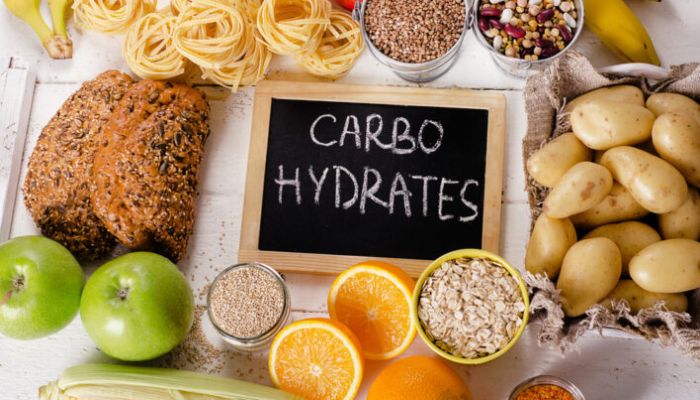
In the keto and low-carb world, the phrase “zero-carb” gets people excited. It sounds bold. Hardcore. Next-level. A diet so clean, so pure, that carbs dare not exist.
But here’s the plot twist: a lot of what people believe about zero-carb eating is wildly exaggerated — or flat-out wrong.
If you’ve ever thought about trying zero-carb, or you’ve seen influencers glamorize it like it’s some magical hack, this article is here to clear the air. No judgment. Just facts, realism, and a little humor.
Let’s expose the biggest zero-carb myths that seriously need to retire.
Myth #1: “Zero Carb Means Absolutely Zero Carbs”
This myth needs to chill.
Almost no food besides pure oils is actually zero carb.
Meat? Has trace carbs.
Eggs? A little.
Cheese? Surprise — carbs.
Seafood? Some.
Even avocado oil mayo often has a tiny bit.
A “zero-carb diet” usually ends up being very low carb, not literally zero.
Your body isn’t a customs officer checking passports at the border. It doesn’t freak out over tiny carb amounts. It only cares about overall patterns.
Myth #2: “Zero Carb Is Automatically Healthier Than Keto”
Just because something is stricter doesn’t mean it’s healthier.
Going zero-carb can work for some adults under proper guidance, but it’s not automatically better than:
- classic keto
- low-carb
- or simply sensible eating
A healthy eating pattern depends on:
- your metabolism
- your goals
- your medical needs
- your lifestyle
- your energy levels
Zero-carb isn’t a magic upgrade. It’s just a different version of low-carb — one that requires more planning and careful nutritional balance.
Myth #3: “You’ll Lose Weight Faster If You Go Zero Carb”
Not necessarily.
Anyone who’s tried keto knows the rapid water loss at the beginning is dramatic. Zero-carb can produce a similar effect… but that doesn’t mean faster fat loss.
Real fat loss depends on:
- total calories
- consistency
- hormonal balance
- sleep
- stress
- activity
Not how close you get to absolute zero carbs.
In fact, some people actually feel worse and overeat because the rigid structure makes them crave things more intensely.
Myth #4: “Zero Carb Guarantees Crazy Energy Levels”
Some people do report mental clarity or steady energy on very low-carb diets.
Others? Not so much.
A sudden drop to zero-carb can lead to:
- fatigue
- headaches
- mood swings
- dizziness
- difficulty concentrating
- cravings
Your body needs time to adapt to any major dietary shift. And some people simply function better with a few more carbs — especially teens, active individuals, and anyone with a high daily workload.
Energy isn’t a simple on/off switch. It varies by person.
Myth #5: “Zero Carb Eliminates All Cravings Forever”
Wishful thinking.
Yes, low-carb eating can reduce sugar cravings.
But zero-carb isn’t a magic craving eraser.
Your brain still responds to:
- habits
- emotions
- stress
- environment
- boredom
- social triggers
Cravings are complex. Cutting out carbs alone doesn’t automatically solve them.
Myth #6: “Plants Are the Enemy”
Some corners of the internet have made vegetables look suspicious — like spinach is plotting against humanity.
But plants aren’t the villain.
Yes, many contain carbs.
Yes, keto limits them.
But vegetables also contain:
- vitamins
- minerals
- fiber
- antioxidants
These support digestion, skin health, immunity, and overall wellness.
Zero-carb approaches can work for certain adults, but they require careful planning to avoid missing essential nutrients.
Veggies are not out to get you. I promise.
Myth #7: “You Must Choose Between Zero-Carb and Strict Keto — No In-Between”
Nope. You can do whatever works for you.
Your approach can be:
- Lazy keto
- Moderate low-carb
- Strict keto
- Cyclical low-carb
- A combo you experiment with
There’s no law enforcement team policing your carb count.
The best diet is one you can follow without feeling stressed, restricted, or miserable.
Myth #8: “If You Eat Carbs After Zero Carb, You’ll Ruin Everything”
Not true.
If you add carbs back into your diet:
- you might hold more water
- the scale may bounce
- your digestion will adjust
- your energy might shift
But that’s all normal.
You don’t “break” your progress with one meal. Your body is flexible — it adapts quickly. A slight change in carb intake is just that: a change, not a disaster.
Myth #9: “Zero Carb Works the Same for Everyone”
Human bodies are wildly different.
Two people can follow the same eating plan and experience:
- different hunger levels
- different energy outcomes
- different digestion
- different moods
- different results
Age, hormones, lifestyle, and metabolism all play major roles.
That’s why copying someone else’s zero-carb plan doesn’t guarantee the same success.
Myth #10: “You Have to Be Perfect to See Results”
Perfection is a recipe for burnout — no matter what diet you’re on.
Nobody hits zero carbs every single day.
Nobody sticks to a rigid plan without slip-ups.
Nobody eats exactly the same way forever.
Sustainable habits beat perfection every time.
The truth is simple:
You don’t have to be perfect — you just have to be consistent over time.
So… Should You Try Zero-Carb?
It depends on your goals, how your body responds, and what feels manageable for you.
What matters most:
- You feel good
- You’re getting enough nutrition
- You’re not stressed or overwhelmed
- You’re not trying to follow extreme rules
- You’re choosing an approach that fits your life
Zero-carb isn’t a magical fix, and it’s not for everyone. But neither is strict keto or any other style of eating.
The best approach is the one you can actually enjoy — and stick with.
Bottom Line
Zero-carb myths have taken on a life of their own, and it’s time to let them go. You don’t need to fear carbs or worship zero-carb like it’s some ultimate milestone. Keto works incredibly well without swinging to extremes.
Stay curious, stay balanced, and stay flexible.
Your body will thank you for it.